
 Türkçe
 Deutsch
 Français
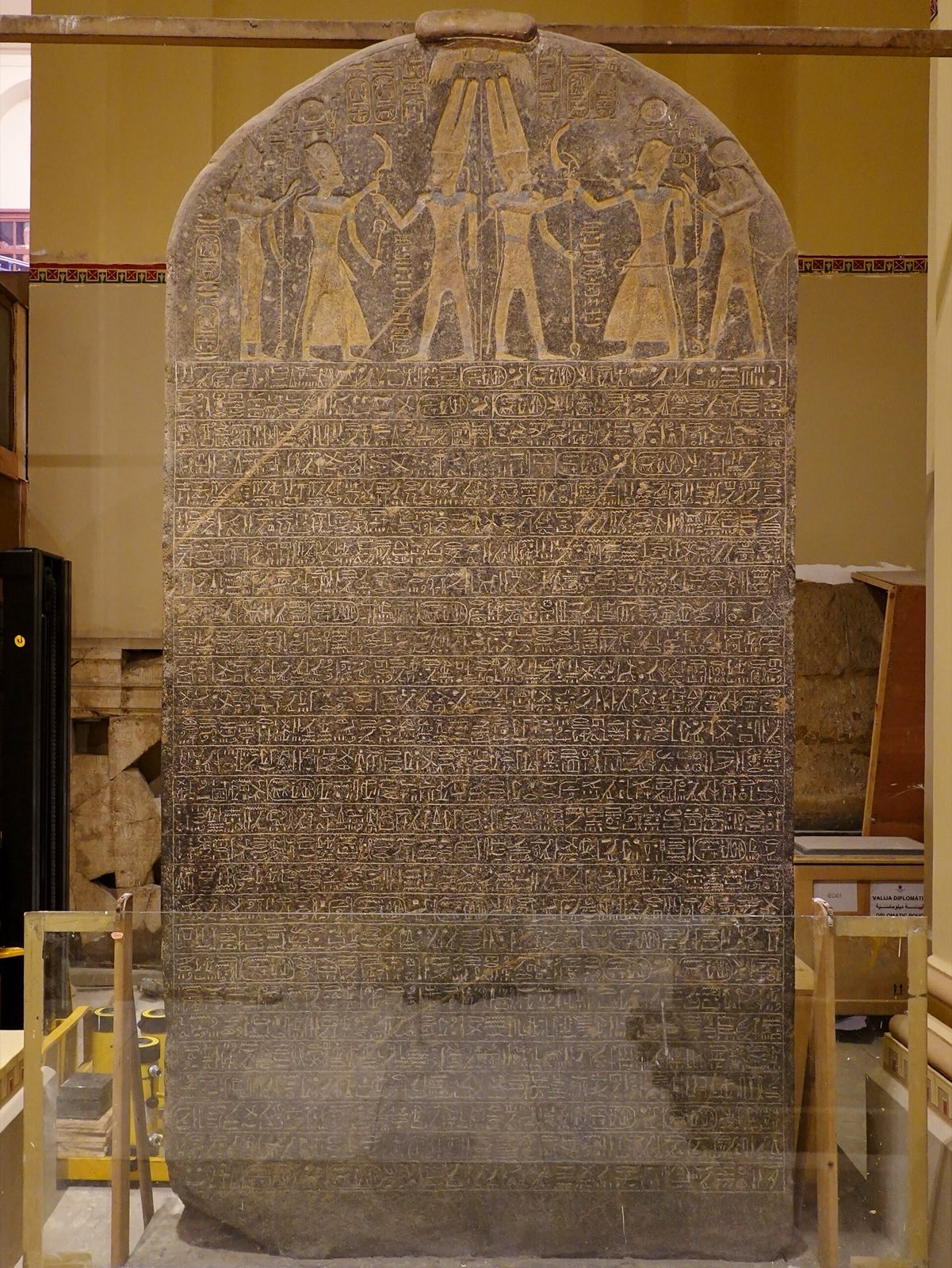
Egyptian Museum, Cairo, JE 31408
The Merenptah (“Israel”) Stela
𓇳𓃝𓈖
bꜣ-n-rꜥ
Baenre (Merenptah)
The oldest name of Israel known anywhere sits in one line of this king’s victory poem.
Photo: Olaf Tausch · CC BY 3.0
Real hieroglyphs on real monuments, from your very first lesson. A full course in Middle Egyptian, the classical language of the hieroglyphs, for iPhone and iPad.
 Coming soon to the App Store

Just below the cartouches, at the right end of the row: the conical loaf 𓏙 dỉ “give”, with the ankh 𓋹 ꜥnḫ “life” to its left. The text runs right to left.
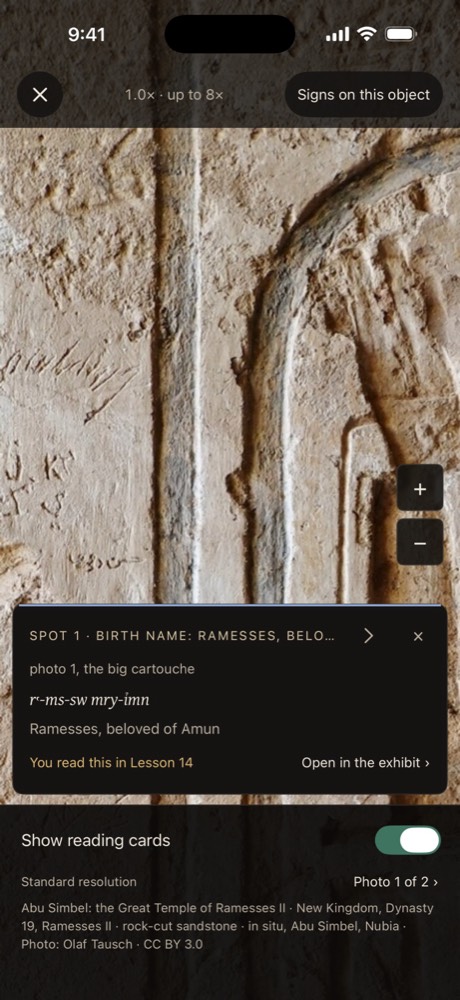
The only app on the App Store that takes you from your first hieroglyph to the Story of Sinuhe in the original.
Not a translator. Not a name generator. A real course in reading the ancient Egyptians' own words.
From the Met, the British Museum, Cairo and the temples of Egypt. New objects unlock as you learn.
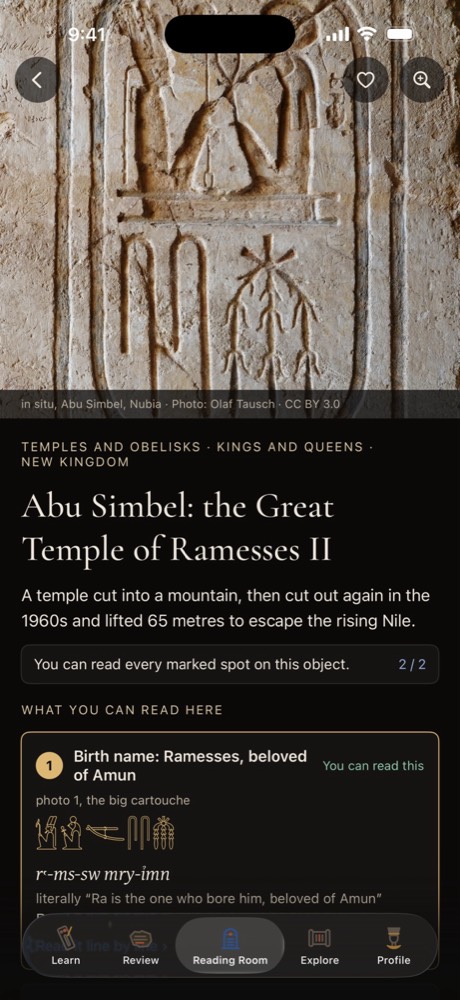
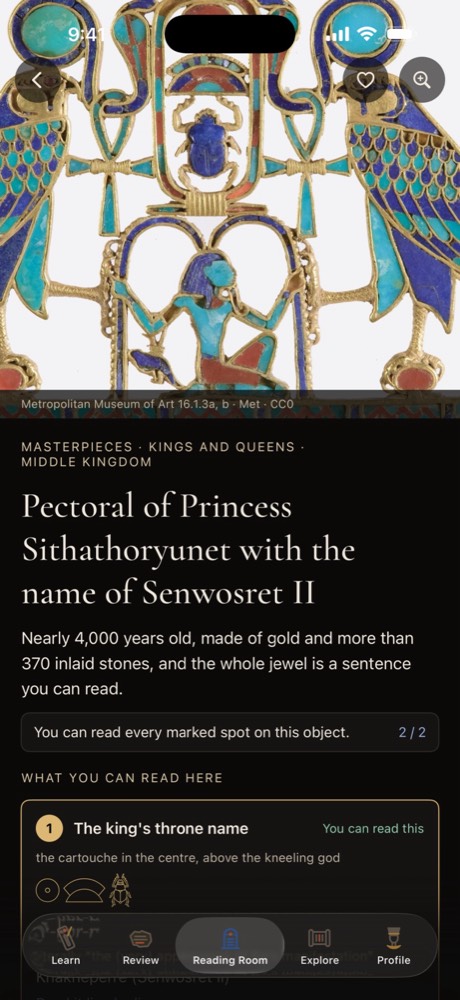
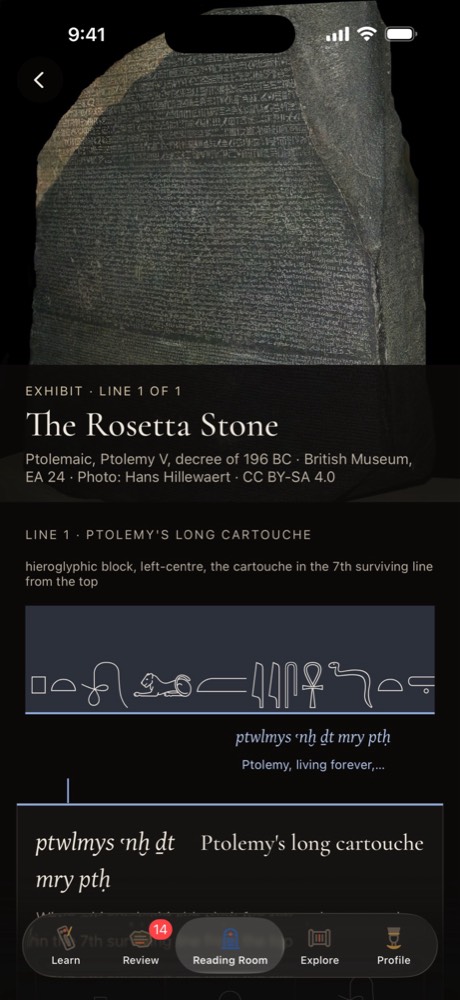
The signs, their sounds, a word-by-word gloss, then the translation.
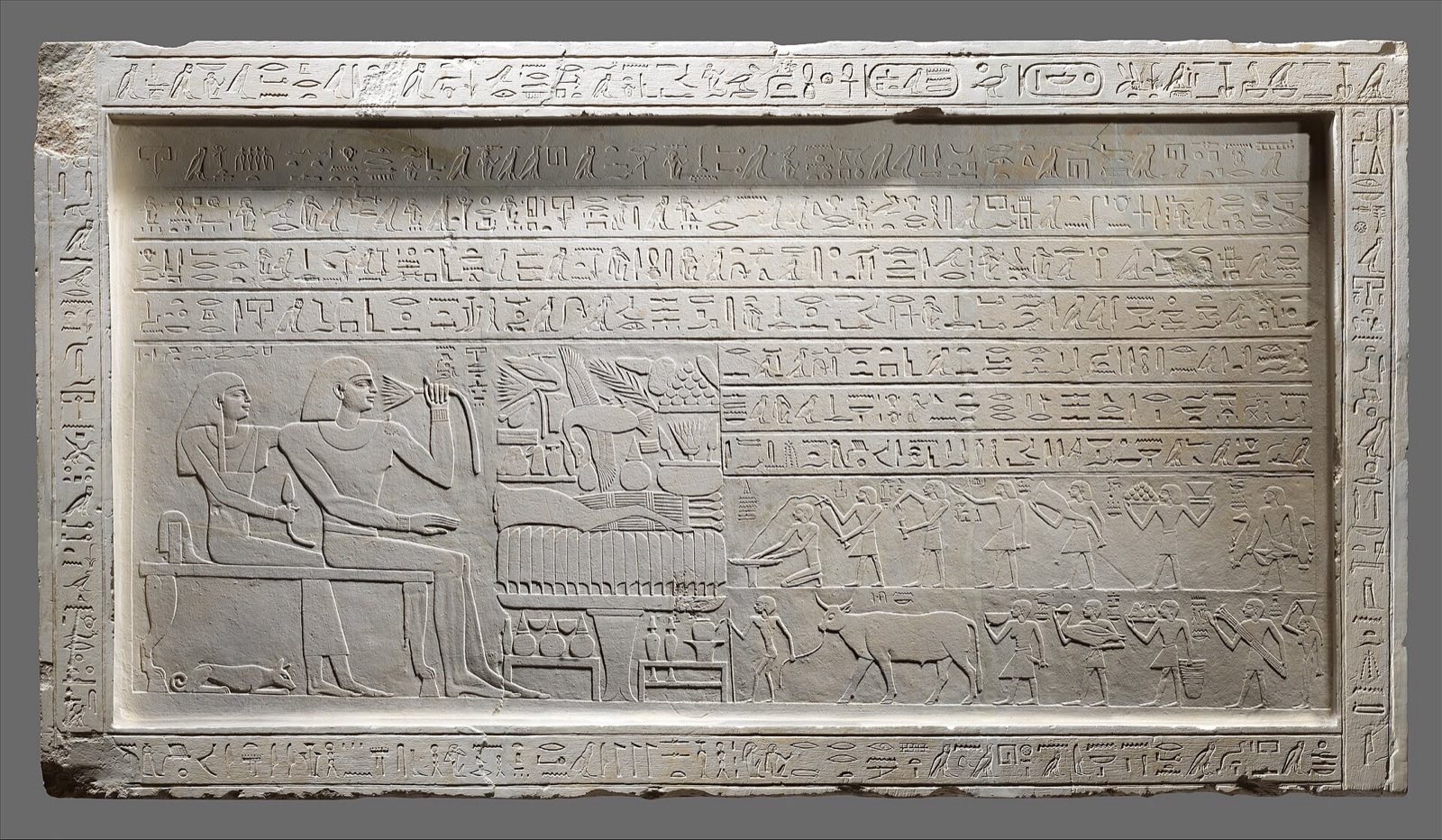
Every exhibit in the Reading Room comes with its museum number, a short story and the lines you can read on it, marked on the photo. These are a few of the readings waiting for you, copied from the app.
Lesson 1 takes four minutes, lesson 2 takes six. Here is the first one, step by step, as it runs in the app. It opens on a real object: a relief fragment with King Khufu's cattle, The Met 22.1.3a,b, limestone, Dynasty 4.
Egyptian is a language, spoken for thousands of years. Hieroglyphs are one way of writing it, the way the Latin alphabet is one way of writing English. You learn the script and, step by step, the language behind it.
"What sound does this sign make?" Tap ḫ, w, f or r. A wrong answer explains itself: the chick is w, the viper f.
Disc ḫ, chick w, viper f, chick w again: one sign can come back as often as the word needs it. ḫwfw is the transliteration, Khufu the name in modern books, "KHOO-foo" how Egyptologists say it aloud.
"You read a pharaoh's name, 4,500 years after it was carved."
Next, lesson 2, Pepi, six minutes: a king who reigned for an astonishingly long time, and a reed that changes its sound when you double it.
Each lesson opens by telling you how long it takes, how many exercises it has and what you will be able to read by the end. Then it puts real signs in front of you, and ends on a real object.
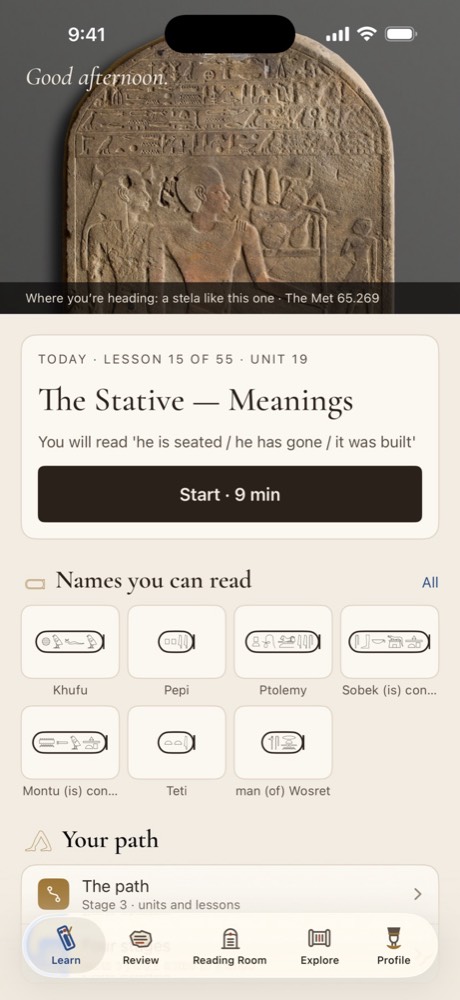
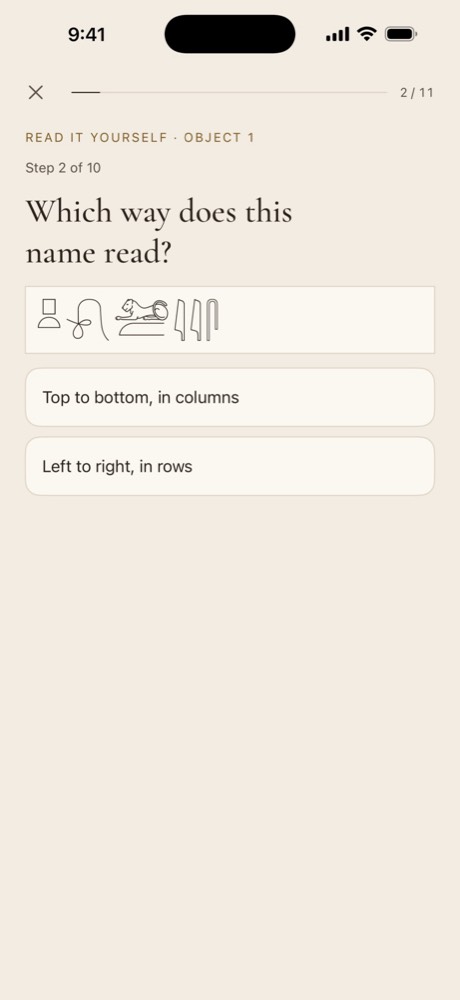

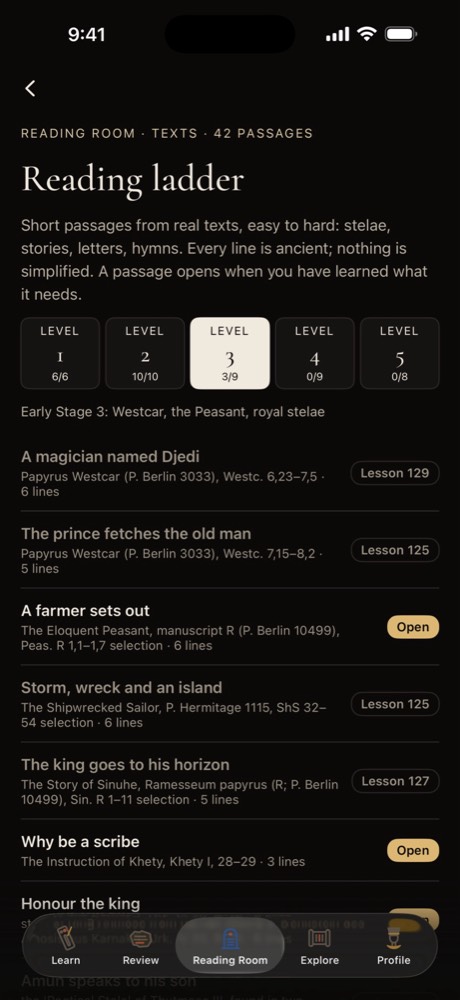
231 lessons, ten minutes a day, from a single royal name to the Story of Sinuhe in the original. Every stage ends on a text you have never seen, and earns an in-app certificate.


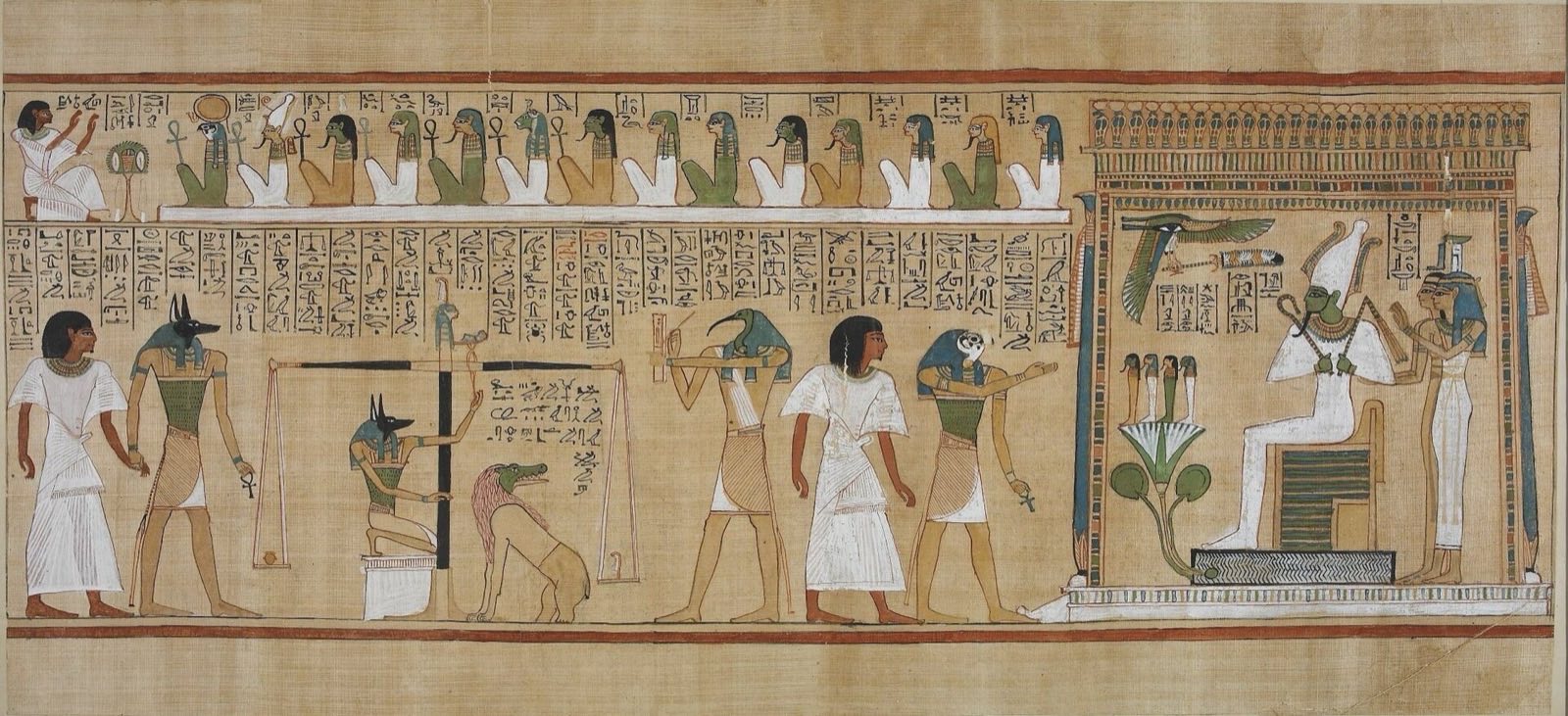
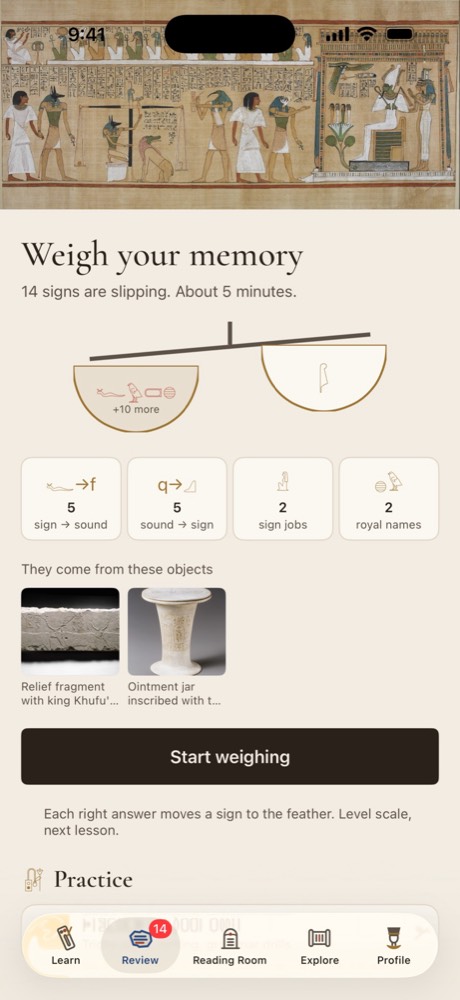
On Hunefer's papyrus a heart is weighed against the feather of Maat. In Sesh your memory goes on the scale: spaced review brings each sign back just as you're about to forget it.
Each sign is tested from sign to sound and from sound to sign. The cartouche, which has no sound, is tested for its meaning.
Royal names join the scale too. Read Khufu once in lesson 1 and he comes back to be read again.
Each sign comes back just as you're about to forget it: not too soon, not too late.
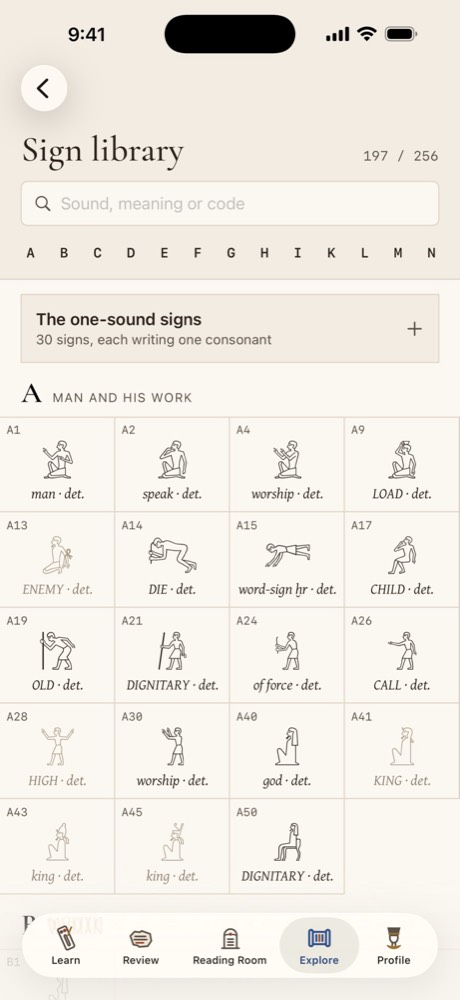
These are the scenes of our App Store page, set side by side: real screens from the app, laid over the objects they teach. A lesson, a reading, a certificate, your name, the sign library, and the last stage, where Sinuhe is waiting.
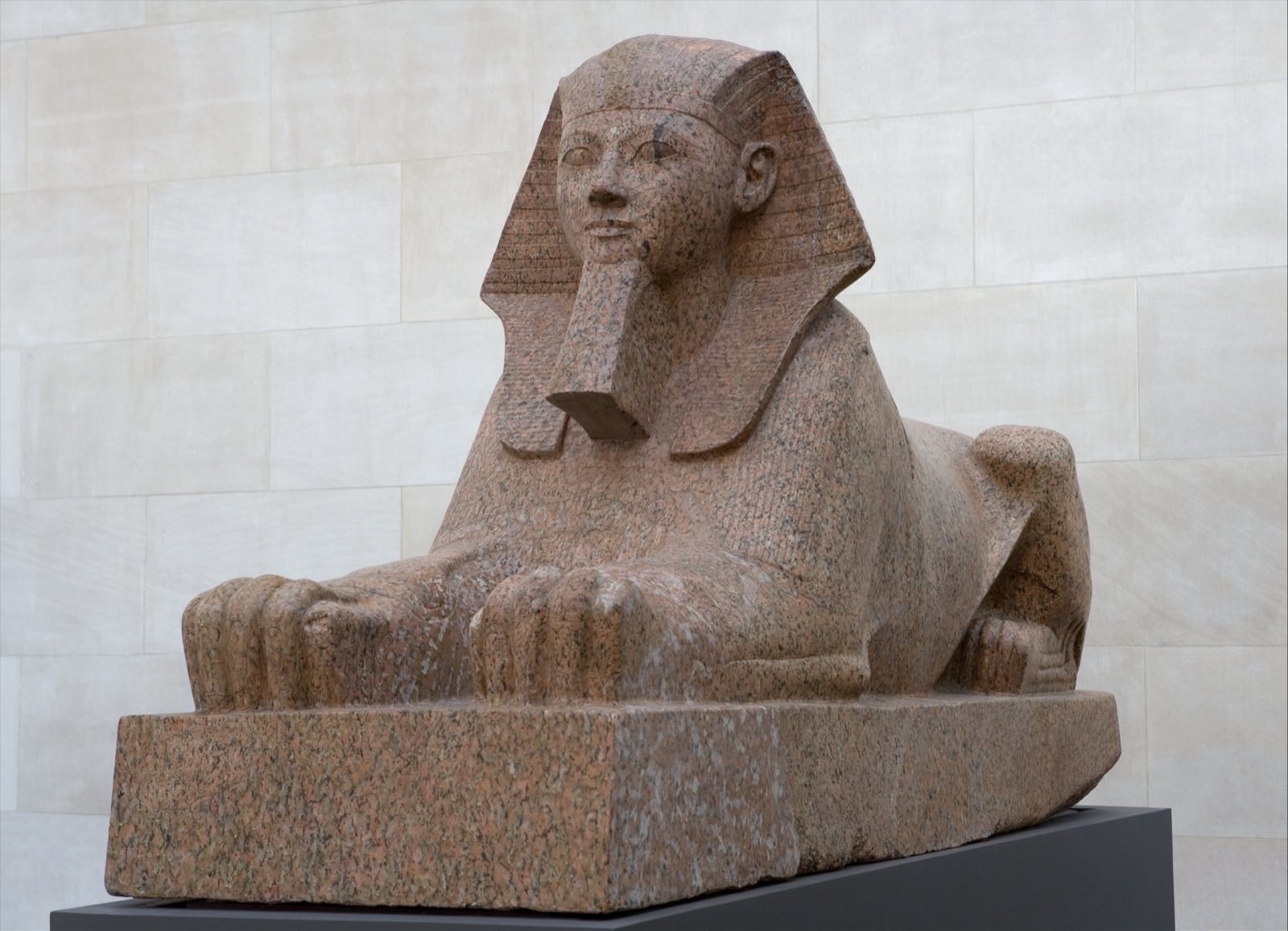
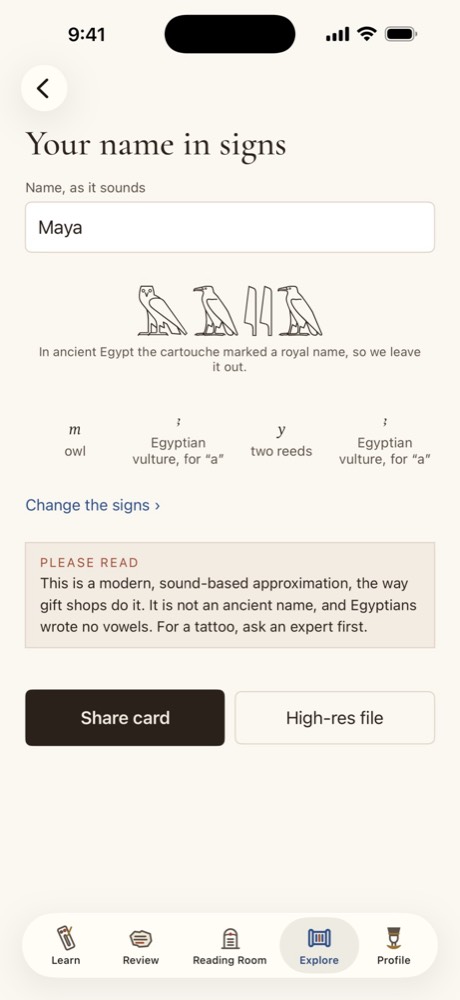
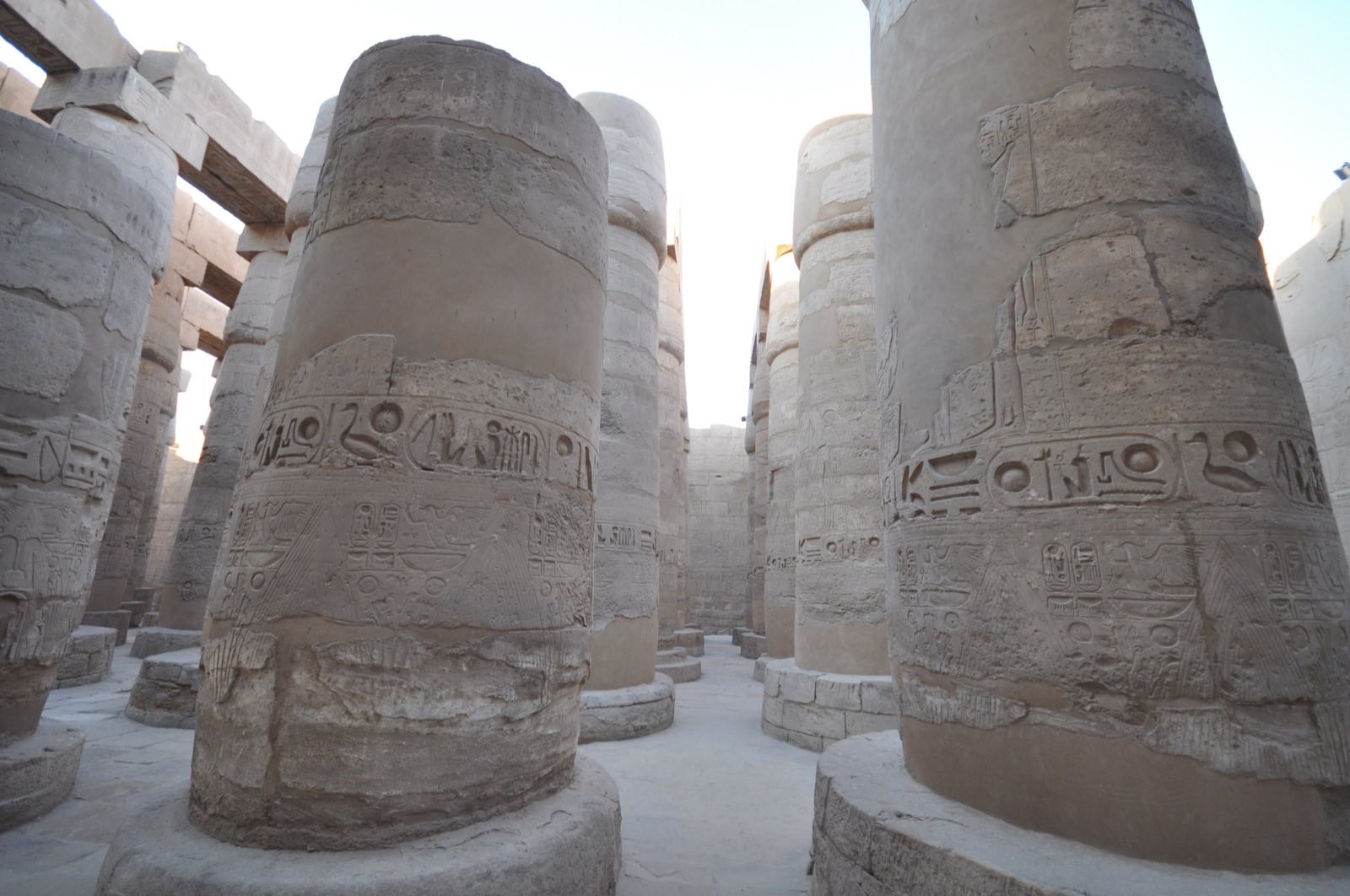
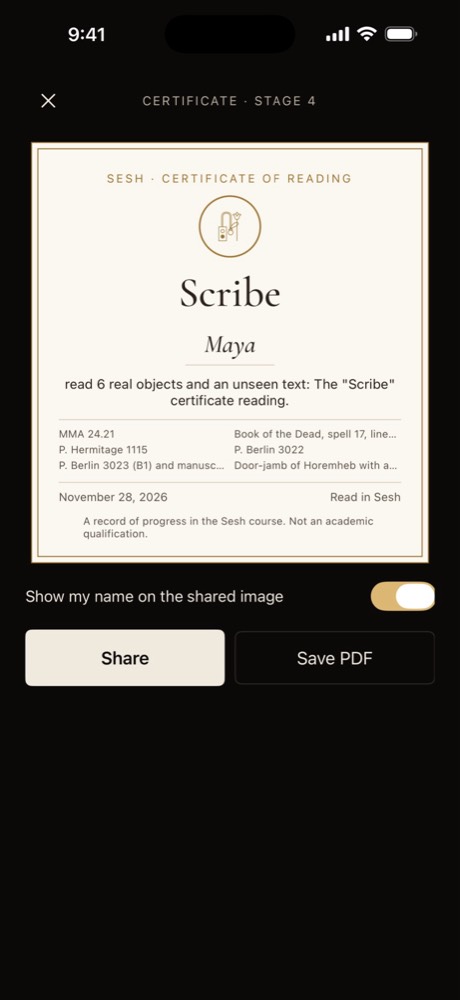
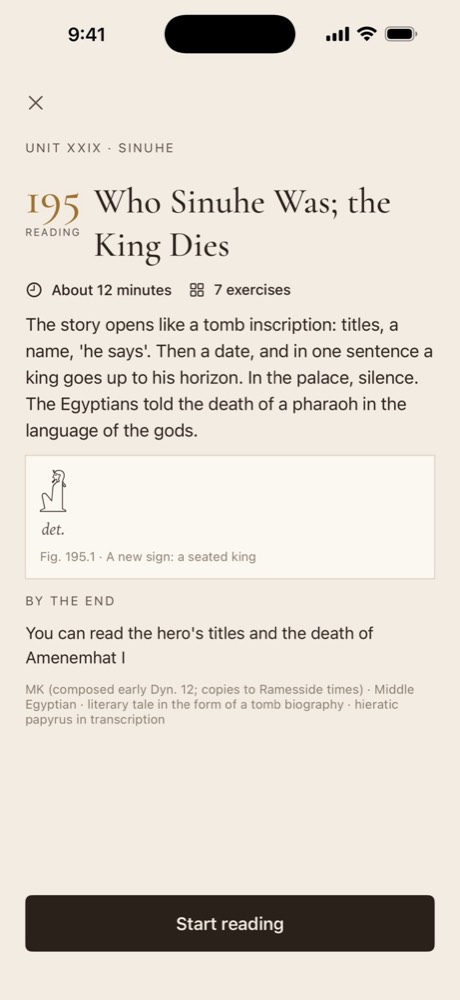

The grammar in Sesh is built on four reference works Egyptologists and students use, and each rule tells you where it comes from. No AI-generated images, and no invented readings: every photo shows a real object with its credit, and every reading follows the reference grammars.
sꜣ 'son' + rꜥ 'Ra' = 'son of Ra'. Two nouns side by side, no word for 'of'. You'll name this construction in lesson 31.

Your objects, grouped by museum. Works offline. Tick them off as you find them, and read them in front of the real stone.
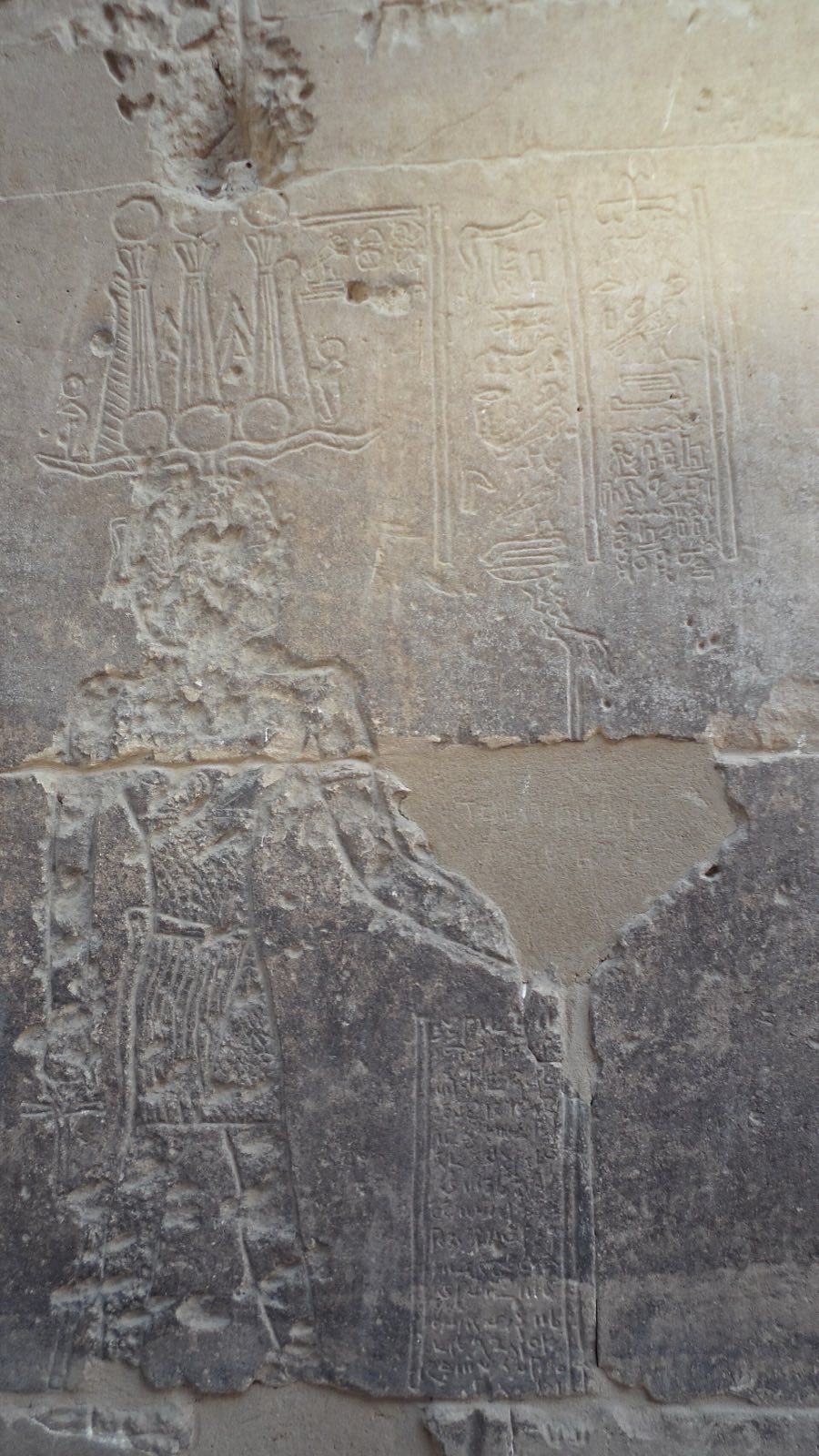
Sesh is free to start: you begin the course without paying. The full course, all four stages and 231 lessons, unlocks with Sesh Premium.
None. You begin with one royal name, Khufu, and learn every sign, word and rule as you need it, ten minutes a day, until you read the Story of Sinuhe in the original.
iPhone and iPad. Museum mode works offline, so you can read the objects in the gallery itself.
English, Turkish, German and French.
No. It teaches you to read. Every line is explained sign by sign, with its sounds and a word-by-word gloss, so the translation becomes yours.
No AI images: every photo shows a real object, with its credit. Every reading comes from the reference grammars of Gardiner, Allen, Faulkner and Collier & Manley, and each rule cites its source.


Sesh: Learn Hieroglyphs. Read Ancient Egyptian Texts. From Khufu's cartouche to the Story of Sinuhe, in the original.