
 Türkçe
 Deutsch
 Français
What is Middle Egyptian?
Middle Egyptian is the classical stage of the ancient Egyptian language. It was spoken around the Middle Kingdom, roughly 2100 to 1600 BC, and stayed the written standard for monuments, religious texts and literature long after people stopped speaking it. That is why grammars teach it first, and why it opens the great stories, such as Sinuhe, in the original.
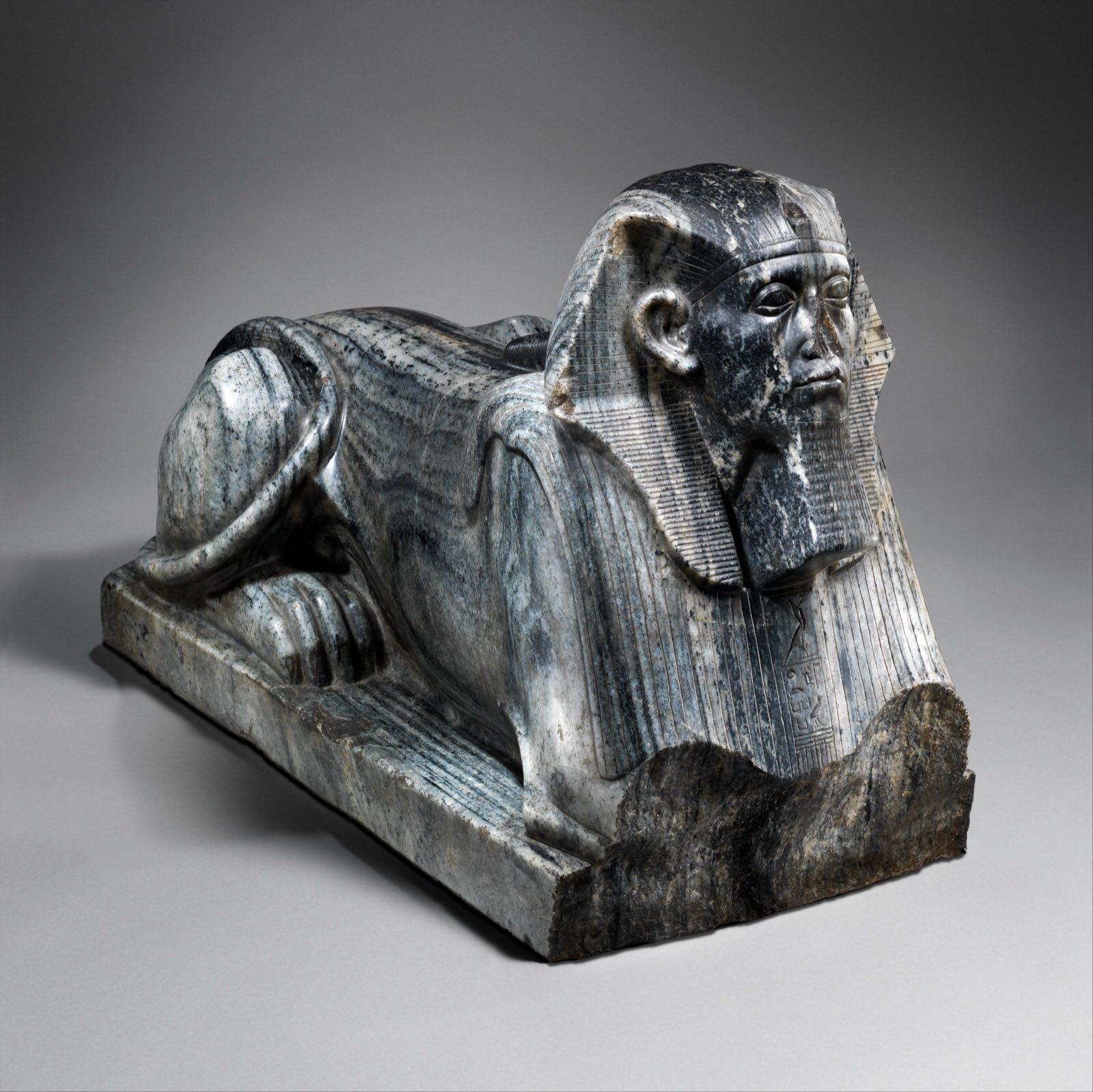
Middle Egyptian is one stage in the long life of a single language. Knowing where it sits, and how it differs from the scripts used to write it, makes everything else about hieroglyphs easier to follow.
This guide goes deeper on the language itself. If you are completely new to the signs, start with the cornerstone guide, How to read Egyptian hieroglyphs, then come back here.
01One language, five stages
Egyptian was spoken and written for more than three thousand years, and like any living language it changed. Egyptologists divide its history into five main stages: Old Egyptian, Middle Egyptian, Late Egyptian, Demotic and Coptic (Allen §1.2). Each stage has its own grammar and vocabulary, though they flow into one another rather than starting and stopping on a fixed date.
| Stage | Approximate period | Typical texts | Main scripts |
|---|---|---|---|
| Old Egyptian | c. 2700–2100 BC Old Kingdom | Pyramid Texts, tomb biographies, the names of kings such as Khufu and Pepi | hieroglyphic, hieratic |
| Middle Egyptian | spoken c. 2100–1600 BC written for far longer | Middle Kingdom stelae and the offering formula, the Coffin Texts, the classic tales; later the Book of the Dead and royal monuments | hieroglyphic, hieratic |
| Late Egyptian | c. 1600–600 BC New Kingdom onward | letters, legal and business documents, New Kingdom stories | hieratic, hieroglyphic |
| Demotic | c. 650 BC – AD 452 last dated text at Philae | contracts, letters and literature; the middle text of the Rosetta Stone | Demotic |
| Coptic | from the first centuries AD still used in church services | Christian texts and letters; the only stage that writes its vowels regularly | Coptic alphabet |
02Why Middle Egyptian is the classical stage
Middle Egyptian was the everyday language of the Middle Kingdom. That period produced tales such as Sinuhe and the Shipwrecked Sailor, along with teachings and hymns, and these texts went on being copied and studied for centuries. Sinuhe, composed early in the 12th Dynasty, was still being copied in Ramesside times, partly by schoolboys learning to write (Allen, Essay 20, p. 327).
After about 1600 BC the spoken language moved on to Late Egyptian. The written standard did not. Scribes kept using Middle Egyptian for monuments, religious texts and formal inscriptions, rather as medieval Europe kept writing Latin. From the 19th Dynasty on, official monuments can let Late Egyptian features slip in, such as the article nꜣ n “the (plural)”, which Middle Egyptian does not have. Hieroglyphs themselves were carved until AD 394, the date of the last dated hieroglyphic inscription, at Philae.
03What was written in Middle Egyptian
Most of what a learner meets on museum objects and in the classic papyri is Middle Egyptian, or close to it. Faulkner’s Concise Dictionary of Middle Egyptian covers the language from the Heracleopolitan period to the end of the 18th Dynasty, and the range of texts is wide:
- Stelae and tomb inscriptions. The offering formula ḥtp dỉ nsw, titles, family lists and life stories told in the first person.
- Literature. Four Middle Egyptian stories survive almost whole: the Shipwrecked Sailor, the oldest, on a single papyrus now in St Petersburg; Sinuhe, copied for centuries; the Eloquent Peasant, on four papyri; and the Westcar tales, in one Hyksos-period copy.
- Religious texts. The Coffin Texts of the Middle Kingdom, hymns, and in the New Kingdom the Book of the Dead.
- Royal inscriptions. New Kingdom kings still recorded their deeds in the classical language, with Late Egyptian features creeping in over time.
- Practical writing. Letters, accounts and medical texts, which show the language in daily use.
04Scripts are not stages
This is the distinction beginners most often blur. A language stage is what people said: its words, its grammar. A script is how they wrote it down. Egyptian is a language; hieroglyphs are one way of writing it, the way the Latin alphabet is one way of writing English (Allen §§1.1–1.4).
So Middle Egyptian could be carved in hieroglyphs on a stela or written in hieratic on papyrus. In the Middle Kingdom and the 18th Dynasty, papyri were written in hieratic except for religious texts. The best manuscript of Sinuhe, Papyrus Berlin 3022, is hieratic, yet its language is pure Middle Egyptian. Egyptologists first transcribe such a manuscript into hieroglyphs, like a printer setting a handwritten text in type, and only then translate it.
| Script | What it looks like | Used for | End |
|---|---|---|---|
| Hieroglyphic | pictures, carved or painted | texts meant to last: tombs, temples, stelae | last dated inscription AD 394, Philae |
| Hieratic | the same signs written fast with a brush | everyday writing on papyrus: letters, accounts, records, literature | died out in the 3rd century AD |
| Demotic | a script so quick its pictures disappear | the normal way to write Egyptian from about 650 BC | last dated text AD 452 |
| Coptic | Greek letters plus extra letters for Egyptian sounds | Christian Egypt; Allen counts 32 letters | from the first centuries AD |
Two names do double duty. Demotic is both a script, grown out of ever faster hieratic, and a stage of the language written only in that script. Coptic is both the last stage of Egyptian and the alphabet it was written in. For about two centuries, four scripts lived side by side; then Coptic carried the language alone.
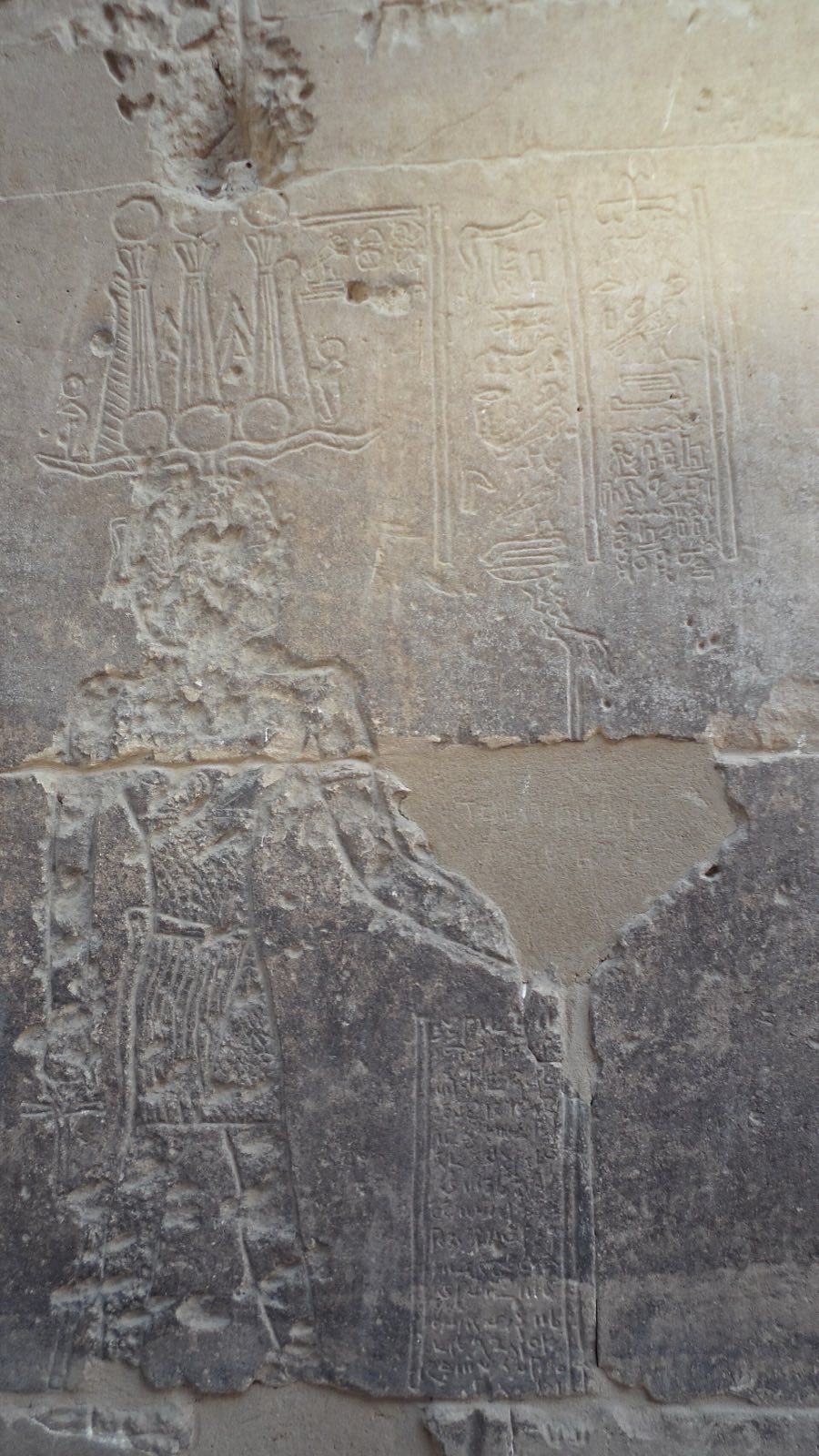
05Why learners start with Middle Egyptian
Almost every course and grammar begins here, for practical reasons.
- The reference works are built for it. Gardiner’s Egyptian Grammar, Allen’s Middle Egyptian, Faulkner’s dictionary and Collier & Manley’s How to Read Egyptian Hieroglyphs all teach this stage. The standard sign list, with codes such as A1 and G17, comes from Gardiner’s grammar of Middle Egyptian.
- It is the language of the classics. Sinuhe, the Shipwrecked Sailor and the Eloquent Peasant are only readable in the original once you know it.
- It unlocks the monuments. Stelae, statues and temple walls across many centuries follow its grammar, and royal names are written the same way whatever the period, so a beginner can read the name of Khufu (Old Kingdom) or Ptolemy (Ptolemaic) in the first week.
- It is the best-documented stage. Grammars cite its sentences by text and line number, so every rule you learn can be checked against a real inscription or papyrus.
Ready for the next step? The cornerstone guide, How to read Egyptian hieroglyphs, walks through the signs themselves. For the silent signs that end so many words, read Egyptian determinatives, explained.
 How Sesh helps
A complete course in Middle Egyptian
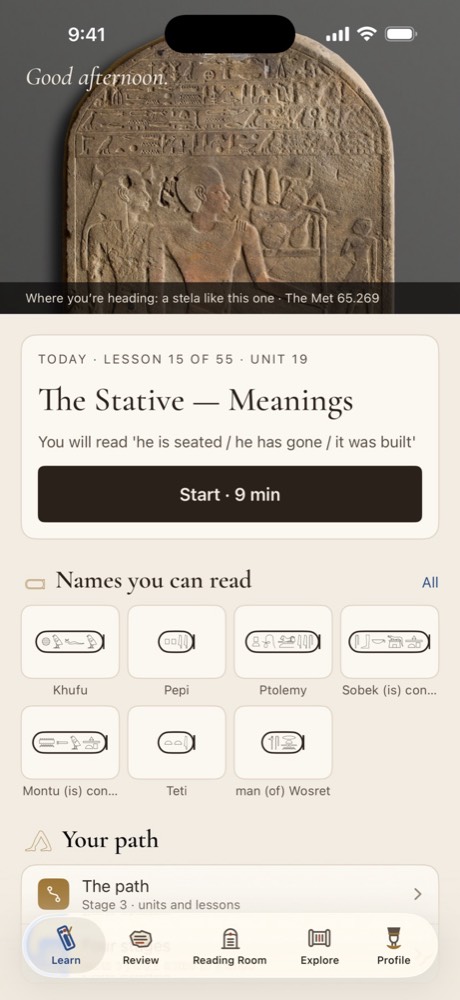
Sesh teaches Middle Egyptian from the first lesson to the last, in 231 lessons across 32 units and four stages: Reader I, Reader II, Translator, and Texts & Literature, where you earn the title Scribe. Every lesson tells you the period, language stage and script of the object in front of you.
- Unit 25 covers the other scripts and stages: hieratic, Demotic, Coptic and the end of the tradition.
- Every grammar rule cites its source in Gardiner, Allen, Faulkner or Collier & Manley.
- Each stage ends on a text you have never seen, and earns a certificate.
iPhone and iPad · iOS 17 or later
References
- Allen, James P. Middle Egyptian: An Introduction to the Language and Culture of Hieroglyphs. 3rd edition. Cambridge: Cambridge University Press, 2014.
- Gardiner, Alan H. Egyptian Grammar: Being an Introduction to the Study of Hieroglyphs. 3rd edition, revised. Oxford: Griffith Institute, Ashmolean Museum, 1957.
- Faulkner, Raymond O. A Concise Dictionary of Middle Egyptian. Oxford: Griffith Institute, 1962.
- Collier, Mark, and Bill Manley. How to Read Egyptian Hieroglyphs: A Step-by-Step Guide to Teach Yourself. Revised edition. London: British Museum Press, 1998.
- Sesh: Learn Hieroglyphs (iOS app), course, Reading Room and sign library content, version of November 2026. Each lesson card names its source in the works above. Language stages and scripts: lessons L02, L162–L165.
Sesh app content cited as “Sesh, lesson L…” or “Sesh Reading Room” is the app’s own teaching text, itself sourced to the works above. Photos are credited under each image. Not affiliated with the museums shown.